How do Cyber vendors turn technology into traction?

imagen optimizada 150kb

Cybertech Europe 2026

For the fourth consecutive year, Springboard is returning to Cybertech Europe, which will take place this coming October 13 and 14 at the iconic La Nuvola Convention Center in Rome.

Cybertech Europe is one of the key events for the European technology ecosystem. It gathers C-level executives, CISOs, government authorities, industry leaders, and startups to discuss the sector’s most pressing challenges: from the impact of AI on cyber defense to digital resilience, new regulations, and the protection of critical infrastructure.

For Springboard, it is not just an industry event. It is one of the best places to truly understand where the cybersecurity market is moving: what buyers care about, which technologies are gaining momentum, and which companies are ready to take the next step.

And this year, we are going with a very clear focus.

Through our Cyber Security Business Unit, we help vendors looking to expand in Southern Europe and LATAM turn great technology into commercial traction: validating the market, opening enterprise accounts, developing channels, and building a scalable local presence.

After more than 20 cybersecurity projects, there is one thing we see time and time again: entering a new market isn’t simply about finding a distributor or reseller.

It is about understanding how buyers purchase, who makes the decisions, which regulations matter, and how to generate repeatable revenue.

That’s why we are returning to Cybertech: to listen, exchange perspectives, and meet the companies that are seriously considering their next phase of growth.

“Cybersecurity is global. Market traction is local.”

Shall we talk in Rome?

If you are attending Cybertech Europe and want to explore how to accelerate your expansion and commercial traction in Southern Europe or LATAM, book a time with our team or get in touch with us in advance through our website:

Get in touch with the Springboard team

panoramica optimizada 150kb
Rate this post

Media-Tech Looks to Latin America and Southern Europe

IBC2026 web optimizada

Table of Contents

On September 11, Springboard35 will be at IBC2026 in Amsterdam, the world’s largest gathering of the broadcast and media technology industry, at a pivotal moment for live sports. Artificial intelligence has moved from panel discussion to production floor — reshaping how sports are captured, personalized, and monetized — just as two of the world’s fastest-growing sports markets, Latin America and Southern Europe, are being redrawn by the same forces of streaming disruption and rights realignment.

Why Latin America and Southern Europe, Now?

Expansion into these markets is driven by a series of structural factors:

— A live sports market undergoing rapid OTT conversion. 60% of digital users across six Latin American markets already consume content via Connected TV, with football accounting for 95% of all sports consumption (Comscore).

— Subscription growth tied directly to sports access. One in three streaming subscribers in the region cite sports content as their primary reason for subscribing.

— The 2026 World Cup accelerating the shift in real time. Paramount+ alone logged 147 million hours of consumption across six South American countries during the tournament and added roughly 2 million subscribers in a single quarter.

Captura de pantalla 2026 09 07 101521

— A rights market being rewritten by new entrants. CazéTV, a YouTube-native channel, displaced Disney (ESPN/Fox Sports) to secure LaLiga’s Brazilian broadcast rights through 2032 — alongside Serie A, the Bundesliga, and Copa Libertadores.

— Global capital backing the trend. Sports rights spending will reach $67B in 2026, rising to $78B by 2030, with $14.2B earmarked specifically for digital services.

Captura de pantalla 2026 09 07 155752

— Southern Europe as the innovation lab. Leagues like LaLiga are already proving the personalization thesis in-house — a 70% increase in app sessions and 40% more time in-app after introducing personalized content — and are actively looking for technology partners to extend that model abroad.

Captura de pantalla 2026 09 07 160105

SIGNAL FROM THE MARKET

The AI-sports investment wave goes well beyond the broadcast majors

In June 2026, Swedish AI-sports-media platform Sportway raised €20M (Gamma Waves, ~€92M post-money) to scale automated production — it now runs ~2,500 AI-powered cameras across 20+ countries for 70+ federations and leagues, producing 250,000+ live events a year.

The broader AI-in-sports market reflects the same trajectory: from $12.7B in 2026 to a projected $49.9B by 2033 — a 21.6% CAGR (Grand View Research).

Captura de pantalla 2026 09 07 160632

The Challenge of Execution in These Markets

While the market opportunity is not in question, execution remains the primary barrier for media-tech companies entering Latin America and Southern Europe. Many encounter:

— Lack of access to the right decision-makers inside leagues, broadcasters, and rights holders.

— Unfamiliarity with local distribution and commercial channels — from traditional broadcasters to YouTube-native disruptors like CazéTV.

— Fragmented regulatory and rights landscapes that vary market by market.

— Commercial strategies built for mature markets that don’t translate to how buyers in LatAm or Southern Europe actually evaluate and purchase technology

Keys to Effective Expansion

— 1. Map the real decision-making structure market by market — leagues, federations, and broadcasters, alongside the creator-led platforms increasingly sitting at the same negotiating table.

— 2. Localize the value proposition around what buyers are already prioritizing: fan personalization, engagement data, and content authenticity.

— 3. Enter through credibility, not scale — a pilot with a mid-sized broadcaster or league often opens doors that a direct enterprise sale cannot.

— 4. Adapt commercial cadence and language to each market’s business culture rather than applying a single regional playbook to both regions.

The Role of Springboard35

Springboard35 acts as the commercial bridge between media-tech companies and the Southern European and Latin American markets. We provide direct access to decision-makers, local market intelligence, and a go-to-market execution team already embedded in the region — turning a promising AI or sports-tech product into commercial traction without requiring the company to build local structure from day one.

Springboard35 Radar — who actually decides, market by market

An illustrative, non-exhaustive map of the buyer landscape our team works from when building a target account list for a media-tech or sports-tech vendor — built the same way we construct full TAM/SAM models from local registries and federation data.

Conclusion & Next Steps

Let’s Talk at IBC2026 — we’ll be in Amsterdam. If your company is building AI-driven tools for live sports, personalization, or content authenticity and is evaluating Latin America or Southern Europe as a next market, let’s compare notes.

TAKE THE NEXT STEP

Evaluate your real TAM in Europe and LatAm with Springboard35

→ Book a meeting at IBC2026

→ Download our LatAm & Southern Europe expansion brief

Rate this post

How to turn a B2B event into a real source of revenue

web summit optimizada 200kb

TABLE OF CONTENTS

Portuguese translated version

How to turn a B2B event into a real source of revenue

Investing in B2B events – whether it’s having your own booth, sponsoring a keynote, partnering, or sending your sales team to an industry trade show – can be one of the highest budget costs of the year. However, in most tech and corporate service companies, the post-event balance boils down to the same thing: a bunch of scanned badges, hundreds of handed-out brochures, a couple of LinkedIn connections, and the faint feeling of having “done some branding.”

At Springboard35 we know the problem is obvious: branding doesn’t pay the bills; pipeline does.

Treating events as mere appearances or purely promotional actions is the fastest way to burn through your budget. To transform an in-person event from an expense into a recurring and measurable revenue engine, you need to replace improvisation with an active commercial prospecting strategy divided into three stages. 

Commercial preparation doesn't start at the event, it starts weeks before (and you know it)

From our experience, we have found that a sales force’s most serious mistake is arriving at the venue to “see what happens” or passively waiting for decision-makers to approach the booth. In the B2B sector, the best deals are closed behind closed doors, not in the main aisle; that is just where conversations begin. 

It is understandable that a large part of the prior effort goes into logistics: where the space will be, what materials will be produced, who will travel, or how the product will be presented.

These are necessary decisions, but none answer the main question: who do we want to talk to, and what for? 

Before booking, define a clear commercial objective to avoid filling the agenda with low-value meetings. From there, roll out a B2B Outbound strategy: research, select key accounts, and interact before the event. With tailored messaging, the meeting doesn’t start from scratch with a corporate pitch; instead, it picks up an already initiated conversation. Relying solely on spontaneous networking is an excessive risk for an investment of this level. 

So... How do you pave the way?

  • Account-Based Prospecting: Cross-reference the list of attendees or exhibiting companies (at key events like MWC or major industry trade shows) with your Ideal Customer Profile (ICP). Identify the C-Levels and directors who actually have purchasing power and who genuinely interest you. 
  • Technical prospecting infrastructure: To execute effective cold outreach campaigns without compromising the company’s main domain, it is necessary to have a mirror or alternative domain and plan for a warm-up period of about 20 days before launching the sequences. 
  • Pre-booking through SDRs : Utilize your sales team weeks in advance with a personalized outreach sequence:
    “Hi [Name], I saw you’ll be at [Event]. I know you are tackling [Current business problem]. We will have a space set up there; how about we block out 15 minutes for coffee to see how we are solving this at [Your Company]?”
  • The goal: Arrive on the first day of the trade show with at least 80% of your agenda filled with one-on-one meetings with qualified accounts.

The During: Real-time qualification and focus on the "Next Step"

At a trade show or conference, time is the scarcest resource. Talking to everyone massively and aimlessly is equivalent to selling to no one. Your sales team should not act as “informants,” but as high-level qualifiers.

The art of coordinating and prioritizing the agenda

Building an efficient agenda requires prioritizing: selecting only high-potential accounts and defining a clear objective for each appointment, rather than blindly accepting requests. Likewise, it is key to assign the right profile for each meeting (the CEO shouldn’t attend every meeting, nor should they be left in the hands of someone without decision-making power) and always leave buffers between appointments, since a back-to-back agenda collapses as soon as the first meeting runs ten minutes late. 

This prioritization is part of business development: protecting the team’s time and allocating the right resources to opportunities that can actually progress.

Live commercial execution (taking action):

  • Agile filter – Express BANT/MEDDPICC criteria:  : In the first 3 minutes of a conversation, the sales rep must identify if the person has real pain, an approximate budget, and decision-making power. 
  • Move from theory to pain :Standing up for a 20-minute slide presentation is rarely of interest. Don’t talk to the prospect about your product or service; get them to talk about their operational problems and prove in under 3 minutes that you know how to solve them. 
  • Close the next step in the conversation itself : Never say goodbye with a “we’ll email you some information.” The goal before shaking hands is to book the demo, discovery call, or follow-up meeting directly on the calendar.

The After: The 48-hour golden rule and real attribution

80% of an event’s value is destroyed in the following week due to a lack of follow-up or commercial sluggishness. A “hot” contact at an event turns completely cold if you wait five days to write to them.

From the event to the CRM: the habit that prevents losing opportunities

After several meetings, conversations can start to blur together, making it difficult to remember exactly what each person needed. Therefore, scanning badges or connecting on LinkedIn is not enough: the key lies in the commercial qualification work typical of an SDR. 

Every relevant conversation must be logged immediately in the CRM, classifying the actual interest: 

  • Precise note-taking: Reflect the company’s exact problem, the level of interest, what was agreed upon, and who should take the next step. Remembering these details in the first post-event contact is what truly adds value. 
  • Realistic qualification: Avoid considering anyone who stopped by the booth a lead. The SDR mindset allows you to distinguish between a simple chat, an account to nurture in the medium term, and a real opportunity (SQL) that must immediately pass to the sales team .

The two-track commercial follow-up

Once accounts are logged and qualified in the CRM, the follow-up must be split into two speeds: 

  1. Immediate follow-up sequences (24 – 48h): Hot opportunities must receive a personalized touchpoint within a maximum of 48 hours, making direct and explicit reference to the details discussed at the event to close the next meeting. 
  2. Lead Nurturing strategy :For contacts who showed interest but whose decision is medium to long-term (locked budgets, active contracts with other providers, or projects for next year). Abandoning these accounts for “not being immediate” is giving pipeline away to the competition. For them, the goal is not to force a rushed sale, but to stay relevant and Top-of-Mind by periodically sending high-value technical content.

Return is not measured in handshakes: Real attribution and ROI

The most common mistake is measuring success with vanity metrics: the number of business cards collected, brochures handed out, or booth visits. The number of meetings or contacts serves to measure activity levels, but not the actual return on investment. 

Commercial activity only gains value when it is connected to a structured process and there is continuity between prospecting, qualification, and closing. As is the case when outsourcing the sales force (Sales as a Service), the value isn’t in blindly guaranteeing “X” number of meetings, but in applying a commercial activation methodology that pushes real opportunities into the pipeline.

How to evaluate if the event actually worked?

To measure commercial impact, you have to observe what happens in the sales funnel:

  • Meetings with ICP accounts: How many meetings took place with companies that actually fit your target profile?
  • Advancing the stage: How many of those conversations moved forward to the next stage (proposals, demos, or negotiations). 
  • Revenue attribution: What volume of pipeline was generated and what revenue can be attributed to or associated with the event. 

In complex B2B sales, that return does not always appear immediately. A conversation started in March can turn into a customer in September. Therefore, it is highly recommended to differentiate between closed revenue, influenced pipeline, and strategic value (such as access to a new market or a hard-to-reach decision-maker). At Springboard35, we turn your events into real pipeline.


At Springboard35, we do not offer blind meetings; we sell a commercial activation methodology. We take care of everything from start to finish: strategy, mirror domains, list building, intensive SDR prospecting, and a prioritized agenda—through our commercial packages (Starter, Growth, Pro/ABM, and Last Call). 

We combine human judgment and automation so that your team travels for one thing only: to meet with real decision-makers and close deals. 

Want to arrive at your next trade show with the commercial work already done?  Visit our website and request information or book your meeting with us here:

https://calendar.app.google/otPxDiJFSXEXzDbJ9

Rate this post

Square: the technology that conquered the US and discovered that in Spain, first you have to know how to order a coffee

MicrosoftTeams image 180kb

CONTENT INDEX

Who is SQUARE really, and how has it become this great multinational? 

square Vlc
Valencia, 2025

If you like to travel, are one of those who seek out specialty coffee shops, or simply go down for breakfast at your lifelong neighborhood bar, you have surely seen it at some point: a minimalist, designer POS terminal that has completely changed the aesthetics of the classic counter. Behind that device is Square, founded in San Francisco by Jack Dorsey (co-creator of Twitter) with the goal of making digital payments more accessible. The company is publicly traded today on the New York Stock Exchange under its parent company Block, Inc. More than a payment platform, it has become the global operating engine for millions of retail businesses and restaurants.

However, as you might well guess, landing in a new country is never as easy as translating a website or replicating a manual that has already worked in other countries. The fact is that when a large multinational tech company decides to disembark in the Spanish market, it runs into a very clear cultural reality: here, relationships are still built between people, processes have a different pace, and closeness or trust are not just ornaments of a value proposition; they are the master key. Impeccable technology is of little use if on the other end of the phone there isn’t someone who truly understands how coffee time, the daily rush, and the way of doing business in the Spanish market work.

The starting point: blend in with the big fish

Three years ago, we began our journey alongside Square, thanks to the alliance with our strategic partner Aexus. At first, the goal seemed simple: to become their local sales force in Spain, helping them generate meetings and carve out a niche in a highly competitive sector. But what started as a project to capture commercial opportunities ended up turning into something much bigger: a single integrated team that shares the same work culture, working hand in hand every day.


To achieve this, the first success was going straight to generating clients who would become true references, also applying a strategy by territories and verticals.

Furthermore, understanding what local businesses needed allowed us to pivot while designing a tailored message, providing immediate value to Square in the Spanish market.


Additionally, we act as strategic connectors within our own ecosystem. A clear example is the alliance we promoted by putting our other partner Yurest (an operational management and cost control platform for restaurants) in touch with Square, who are currently business partners.

Day to day on the streets: the challenge of the hospitality sector.

Building trust in the B2B sector requires perseverance. To scale the impact and successfully exceed the KPIs demanded by a multinational like Square, the project needed to have a solid team of top-tier professionals.

What happens when the market you are targeting barely has time to listen to you?

The restaurant industry was one of the sectors that demanded the most from the SDR team. Reaching the right contact was not easy: establishment managers work unpredictable hours, make decisions in the midst of daily operations, and often distrust solutions that imply changing a way of working that has been consolidated for years.

In this context, simply increasing the number of calls would not have worked. The team had to study each type of establishment, identify who had decision-making power, and adjust both the message and the timing of the contact.

Prospecting thus became a constant exercise in precision: reviewing segments, testing different time slots, adapting the pitch, and learning from every conversation. The goal was not to make more calls, but to find a way to open relevant conversations in one of the most difficult markets to tackle.

The difference lay in the discipline and follow-up with which each opportunity was worked on. That work, less visible but decisive, allowed Square to accelerate its entry into Spain, gain presence in the sector, and turn an especially complex prospecting effort into real commercial opportunities.

The result was the closing of accounts that, together, represented more than 7 million euros per quarter. A figure that not only reflects the volume achieved but also the team’s ability to break through in a difficult market and transform daily perseverance into measurable results.

From scheduling meetings to closing deals.

In the world of outsourced sales, there is usually a very clear boundary: some teams open opportunities and others are responsible for converting contracts. However, as the Square project progressed, that division began to lose its meaning.

The real turning point came when the relationship stopped responding to a traditional client-provider dynamic. Springboard35 went on to work as a fully integrated extension of Square’s commercial team, sharing goals, information, training, and responsibilities for results.

Once the flow of opportunities was validated and coordination between the two teams was consolidated, Springboard35 took over the full commercial cycle (end-to-end) in Spain, from identifying and qualifying accounts to managing proposals and advancing negotiations.


The change did not simply consist of expanding the scope of service. It meant taking on a higher level of responsibility and acting, in practice, as Square’s commercial arm in the Spanish market.

In terms of results, from the first quarter we doubled the number of accepted proposals compared to the previous period. This is how Santiago Torres Torija, Head of Strategic Partnerships & Business Development at Square, expresses it:

“The quality of the opportunities has been exceptional and has constantly evolved over time. What began as a lead generation initiative evolved into a complete end-to-end commercial operation.”

Springboard has become a true extension of our sales organization. Without them, we would not have been able to have the presence or the local expertise necessary to compete in Spain.”

f1.4
Barcelona, 2025

But the team’s value wasn’t limited to commercial execution. In a new market, building credibility, interpreting local codes, and understanding how decisions are made can be just as important as having a good product.

When evaluating Springboard’s role in positioning Square against the competition, Santiago adds:

“When I think of Springboard, the first thing that comes to mind is a strategic partner, not a vendor. They have evolved with us through every change of direction, and their willingness to experiment and iterate stands out especially.

When we need to test new commercial dynamics, they get fully involved to discover alongside us what the market really needs.
Springboard’s role has been absolutely critical to our success in the Spanish market. In an environment where local knowledge and relationships carry enormous weight, they have brought us something that would have been very difficult to build internally: immediate credibility and a team that truly understands the country’s business culture.

They are not just supporting our growth here, they are driving it.”

Connection: Dublin – Valencia: lessons from a shared success model

Results explain a part of this story, but not all of it. After three years of working together, what has sustained the relationship between Square and Springboard has been the quality of the team and the trust built on a daily basis.

In the tech sector, where priorities change rapidly and each market demands different answers, a lasting collaboration needs more than shared goals. It requires transparency, constant communication, and the ability to make decisions as a single team.

The connection between the Dublin offices and the team in Spain was not built solely through reports or follow-up meetings. It was consolidated through a continuous exchange of information, visits between teams, and open conversations about how to adapt the strategy for the most relevant accounts.

Because a mature partnership is not about always agreeing. It is about being able to point out what is not working, review decisions without defensiveness, and find a better answer together. That way of working has allowed us to face every change with agility, learn from mistakes, and transform the challenges of the Spanish market into concrete results.

That is why, after a three-year trajectory, we want to thank the daily involvement of Gonzalo, Santiago, Gina, and every professional who has contributed their effort and talent along this path.

Working with this level of trust, transparency, and alignment is what has allowed us to continue opening the market and turning challenges into real results. Today we celebrate everything achieved together, but we know the best is yet to come.

Thank you, Square.

Rate this post

Cybersecurity Trends in 2025: Innovation, AI and Built-In Protection

Tendencias en ciberseguridad en 2025 - Cybersecurity trends in 2025

Innovative cybersecurity trends in 2025: between antagonism and symbiosis.

Is cybersecurity slowing down or accelerating innovation in your company?

This question, increasingly asked in tech and industrial forums, was the focal point of a recent roundtable on Industry 4.0. One of the speakers shared a provocative yet insightful thought: “Cybersecurity should no longer be seen as a barrier to business, but as an enabler of technological innovation.” In today’s highly connected world, security must move from a reactive necessity to a proactive foundation.

Why are cybersecurity trends so important?

Digital transformation has shifted from being a competitive edge to becoming a critical requirement. As businesses accelerate their digitalisation, the risks they face become more sophisticated. Cybersecurity trends exist precisely to help organisations anticipate, adapt to, and navigate this complex landscape.

According to a recent Gartner report, 60% of industrial digitalisation initiatives will be shaped by cybersecurity strategies by 2026. Why is that? Because trust is now the true driver of progress. It’s no longer just about defending assets; it’s about securing entire ecosystems, enabling automation, and empowering innovation to scale safely.

In a world where IoT sensors, digital twins, AI-powered systems, and 5G are reshaping entire industries, cybersecurity is the invisible infrastructure that supports it all.

Real-world examples: how cybersecurity speeds up innovation

A compelling case is that of a European manufacturer of industrial machinery. The company implemented an AI-based system to predict failures in critical assets using data collected from IoT sensors. The challenge: this data was highly sensitive, and without adequate protection, it posed a significant security risk.

To address this, the company integrated an AI-driven cybersecurity layer capable of analysing real-time traffic, detecting anomalies, and protecting the integrity of the data. The outcome was threefold: reduced cyber risk, compliance with international regulations such as NIS2, and—most importantly—accelerated expansion into new industrial markets thanks to robust digital trust.

tendencias en ciberseguridad que marcaran 2025 2

Springboard35: cybersecurity as a competitive edge

At Springboard35, we work closely with technology and industrial companies to help them shift their cybersecurity mindset. Instead of ticking off a checklist at the end of development, they start embedding security from the design phase.

We support our partners in:
✅ Identifying digitalisation-driven markets and opportunities
✅ Aligning cybersecurity with strategic business goals
✅ Accelerating go-to-market strategies in regulated sectors without compromising technical integrity

Security is no longer a cost—it’s an investment in resilience, scalability, and brand reputation. It reduces friction during implementation, facilitates user adoption, and builds trust with stakeholders.

Key cybersecurity trends to watch in 2025

Alongside the “security by design” philosophy, several cybersecurity trends are emerging that businesses should keep a close eye on in 2025:

  • Generative AI in cybersecurity: AI is being used to predict, detect, and respond to threats in real time, automating many defensive tasks.

  • Zero Trust architecture: The Zero Trust model—where no user or device is trusted by default—is becoming a baseline requirement.

  • Supply chain security: Following incidents like SolarWinds, organisations are scrutinising their third-party vendors with greater rigour.

  • Digital identity attacks and deepfakes: Threats like impersonation and AI-generated deepfakes are growing in sectors like finance, politics, and retail.

  • Hybrid and multi-cloud protection: As infrastructures become more complex and distributed, new layers of defence are needed across cloud environments.

  • Cyber resilience: It’s no longer just about prevention. Organisations are focusing more on response and recovery capabilities after an incident.

🔗 You can explore the full ENISA Threat Landscape 2024–2025 report

Cybersecurity and business growth: are you prepared?

In short, cybersecurity trends have evolved from being an operational concern to a strategic lever. Ignoring them today means falling behind. Embracing them gives businesses the confidence to innovate, expand, and lead in their sectors.

📣 Is your business ready to meet the challenges of emerging digital markets?
At Springboard35, talk to Caterina Recchi, Sales Manager of the Cybersecurity Business Unit, and discover how we can help you expand and turn your cybersecurity solution into a real growth engine—empowering teams to scale securely and sustainably.

Rate this post

The State of Home Health Software in Spain

Healthtech Software Home Health

The State of Home Health Software in Spain: Trends, Opportunities, and Challenges

The digitalisation of the healthcare sector is revolutionising home care. Home Health software has become a key component in enhancing various aspects, from automating administrative processes to implementing platforms that enable remote patient monitoring. In this context, the use of technological tools not only facilitates resource management but also contributes to optimising the user experience and ensuring more personalised and efficient care.

The ability to integrate wearable devices, monitor real-time data, and offer telemedicine services is making a significant difference in the realm of home healthcare, allowing health professionals to focus on direct patient care without losing control over administrative processes.

Digital Transformation in the Home Health Sector

The Health Hubs of Barcelona and Madrid, as well as MAD e-Health, have established themselves as benchmarks for startups and investors in the healthcare sector, promoting the adoption of digital solutions in the field of home care. According to the latest study conducted, based on the analysis of 147 Home Health software solutions, technological healthcare solutions are gaining increasing prominence in Europe and the United States.

The Role of Software in Home Health Management

Digitalisation has not only improved efficiency in healthcare delivery but has also enabled health organisations to adapt to new challenges in the sector. The pandemic has accelerated the adoption of digital solutions, leading many companies to seek Home Health software that offers interoperability, accessibility, and low implementation costs.

This context has created a unique opportunity for the development of new functionalities focused on telemedicine and remote monitoring. The use of digital platforms allows for better coordination among health professionals, resource optimisation, and closer patient follow-up, all at a lower operational cost.

Software de Home Healthcare - Home Health Software - Healthtech

Billing Models in Home Health Software

The analysis reveals that the monthly billing model is the most widespread (95% of cases), with an average price of €300.82. Other models, such as one-time payments or annual billing, represent minority options, albeit with higher prices. This trend towards SaaS models allows healthcare companies to access advanced technology without the need for significant initial investments.

The Economic Impact of Payment Models

The SaaS model is particularly attractive for small and medium-sized enterprises, as it offers continuous access to updates and support without the need for a large initial investment. Moreover, its flexibility allows adaptation to changes in the healthcare environment, enabling organisations to scale their solutions as their needs grow. On the other hand, some larger organisations prefer to opt for one-time payments or annual licences to reduce fixed costs in the long term.

This duality reflects the diversity of needs within the healthcare sector, where both the flexibility of subscription models and the stability of one-time payments can be advantageous depending on the type of organisation and its financial objectives.

Factors Influencing User Satisfaction in Home Health Software

Price does not always determine satisfaction. Users particularly value ease of use, customer service, and the ability to customise. In fact, more affordable software solutions often receive better ratings in terms of usability and support. Additionally, integration with other medical systems and the automation of administrative tasks are key to enhancing the perception of quality.

Keys to Improving User Experience

To ensure a satisfactory experience, Home Health software developers must prioritise intuitive interfaces, proactive technical support, and customisation options. It is essential that the software allows for flexible configurations that adapt to the specific needs of each organisation, as not all healthcare companies have the same resources or procedures. Furthermore, ongoing training and post-sale support can make a significant difference in terms of service perception.

Home Health software developers should prioritise intuitive interfaces, proactive technical support and customisation options. In this way, users feel that the software is tailored to their particular needs rather than being a generic tool.

Software de home healthcare - Home Health Software - Healthtech 2

Most Valued Functionalities and Trends in HealthTech

The standout functionalities in the market include payment management, appointment scheduling, and mobile access. However, there is a growing demand for interoperability with other health systems, integration with wearable devices, and telemedicine. Companies that invest in artificial intelligence and automation will be able to differentiate themselves in this competitive environment.

Innovation in HealthTech: Where Are We Heading?

The development of Home Health software is moving towards increasingly personalised and scalable solutions. The incorporation of artificial intelligence allows for predictive analysis and improved operational efficiency, facilitating clinical decision-making based on real-time data.

Additionally, the use of wearable devices and telemedicine technologies enables continuous patient monitoring, reducing the workload of health professionals and enhancing the quality of care. Automation of repetitive tasks also frees up time for professionals to focus on direct patient care, thereby improving efficiency in home care management.

Conclusion: Where are we going in the Home Health software industry?

The Home Health software market in Spain is evolving rapidly, offering opportunities for companies committed to innovation and digitalisation. At Springboard35, we help technology companies to scale in the HealthTech sector, offering tailored marketing and business development strategies to maximise their impact on the market.

Home Health software is transforming the way home care is managed, offering innovative and accessible solutions for companies of all sizes. That’s why at Springboard35 we support technology companies that want to stand out in the HealthTech sector, providing effective and customised strategies to maximise their market presence.

Want to know more about the current state of Home Health software in Spain? Discover trends, billing models, key functionalities and growth opportunities by downloading our white paper. Click on the link to access the full document!

And if you are a Healthtech company, and you want us to help you expand and grow, either in your current market or in new international markets, talk to us, and we will help you on that complex but crucial path. As experts in the commercialisation of Healthtech solutions in European and American markets, we are the best business partner you can count on.

Contact us and start growing your Healthtech business!

Rate this post

Cybersecurity in Spain: Challenges and Opportunities

Ciberseguridad en España - Cybersecurity in Spain

Cybersecurity in Spain — Spain's unique cybersecurity landscape: Challenges and opportunities

In 2024, Spain experienced a significant increase in cyber threats, marking a pivotal moment in the Spanish cybersecurity landscape. Spain rose to fifth place globally in ransomware attacks, recording 58 incidents in the first half of the year — a 23% increase compared to the same period in 2023. This surge in attacks reflects not only a quantitative increase but also a growing sophistication in the threats, which are now more precisely targeting strategic and vulnerable sectors.

Cybercrime in Spain has evolved towards more complex techniques such as spear phishing, the exploitation of IoT technology vulnerabilities, and supply chain attacks, affecting both large corporations and SMEs. Additionally, the country saw an overall 9.2% rise in cybercrime during the first seven months of 2024, with 237,640 incidents officially reported.

This context calls for a reassessment of Spain’s national cybersecurity strategy, adapting it to the country’s economic fabric, which is characterised by a strong presence of small and medium-sized enterprises and key sectors such as tourism, manufacturing and renewable energy. The need for robust and tailored measures is not only urgent but structural, as it directly impacts economic stability, the security of critical infrastructure and citizens’ and businesses’ digital trust.

Ciberseguridad en España - Cybersecurity in Spain
  1. The increase in ransomware incidents has been particularly alarming. Spain recorded a 9.2% rise in cybercrime during the first seven months of 2024, with a total of 237,640 reported cases. This trend highlights the growing sophistication of cybercriminals and the urgent need to strengthen security protocols across all sectors.

  2. The Spanish economy relies heavily on sectors such as tourism, manufacturing and renewable energy, making them prime targets for cybercriminals. For instance, more than 40% of Spanish tourism companies have experienced phishing attempts in recent years. Similarly, the renewable energy sector faces increasing threats as it adopts IoT technologies, with attackers exploiting vulnerabilities to disrupt operations and extort businesses.

  3. The human factor: Workforce challenges and SME vulnerabilities. Given that SMEs make up 99% of Spanish companies, their susceptibility to cyberattacks represents a major national risk. Over 60% of Spanish SMEs lack dedicated cybersecurity personnel, and only 25% have incident response plans in place. This lack of preparedness amplifies the impact of attacks, underscoring the need for widespread training and affordable, tailored cybersecurity solutions for smaller businesses.

  4. Protecting critical infrastructure: A national priority. Spain’s critical infrastructure — from its advanced railway networks to its extensive energy grids — faces constant cyber threats. In 2022 alone, 1,500 attempts to breach major transport and public service systems were reported. The government’s focus on protecting these assets is evident in its recent €500 million investment in cybersecurity technologies specific to infrastructure; however, challenges remain as threats continue to evolve.
España y Ciberseguridad - Spain and Cybersecurity
  1. Spain has established itself as a leader in cybersecurity regulation, aligning with EU directives and developing national strategies tailored to local needs. The creation of Spain’s National Cybersecurity Council and the launch of the Cybersecurity Innovation Centre in 2023 demonstrate the country’s commitment to staying at the forefront. These initiatives aim to foster innovation, strengthen public-private collaboration and equip businesses with the necessary tools to effectively mitigate threats.

  2. Spain’s level of cybersecurity preparedness and the need for modernisation. While Spain has made significant progress in cybersecurity, the overall level of preparedness varies across sectors. A 2024 assessment revealed that only 52% of Spanish organisations have adopted advanced security frameworks, leaving nearly half exposed to modern threats. Moreover, outdated technologies remain a critical vulnerability, with legacy systems still in use in sectors such as healthcare and manufacturing. To address these gaps, Spain must prioritise the modernisation of its digital infrastructure, including the adoption of AI-driven security tools, regular updates to defence mechanisms, and the promotion of a culture of continuous improvement in cybersecurity practices.

  3. Building resilience through experience and action. Spain’s path forward lies in leveraging its unique market dynamics and fostering a culture of cybersecurity resilience. Key priorities include increasing investment in threat intelligence, expanding workforce training programmes, and providing tailored solutions for high-risk industries. With 80% of cyberattacks preventable through basic security measures, the importance of education and proactive action cannot be overstated.

Springboard35, a strategic partner for cybersecurity in Spain

The rapid evolution of the cybersecurity landscape in Spain presents a major opportunity for cybersecurity companies. With growing demand for advanced technologies, customised solutions, and expertise, the market is ripe for innovation and expansion.

Springboard35, with its deep understanding of the Spanish market and proven track record in developing effective go-to-market strategies, is the ideal partner. By leveraging local insight, forging strategic partnerships, and offering scalable solutions, cybersecurity companies can seize the moment and make a lasting impact on Spain’s digital ecosystem.

The cybersecurity landscape in Spain is a microcosm of global challenges, but its specific economic and cultural context requires tailored strategies. By addressing vulnerabilities in key industries, empowering SMEs, and embracing international cooperation, Spain is well positioned to become a leader in cybersecurity resilience.

The time to act is now, and the cybersecurity sector in Spain is taking the necessary steps to rise to the challenge.

Rate this post

Sales Outsourcing in Cybersecurity

outsourcing comercial en ciberseguridad - sales outsourcing in cybersecurity

Sales Outsourcing in Cybersecurity: Scaling with Springboard35

Sales outsourcing in cybersecurity has become a crucial strategy for companies seeking to scale their operations while maintaining a strong focus on security. At Springboard35, we specialize in helping innovative cybersecurity companies grow their market presence and achieve sustainable success. Established with a global footprint and an experienced team, Springboard35 is your trusted partner for sales outsourcing and business development.

With a presence spanning America, Europe, and Asia-Pacific, we collaborate with fast-growing cybersecurity companies to handle every aspect of the sales process. From crafting go-to-market strategies to executing inbound and outbound sales initiatives, Springboard35 ensures seamless integration with your business goals.

business development in cybersecurity - desarrollo de negocios en ciberseguridad

Why Sales Outsourcing in Cybersecurity Matters

The cybersecurity landscape is more challenging than ever, with cyber-attacks occurring every 39 seconds in the US alone. In Europe, the situation is similarly critical. According to recent studies, over 60% of European companies have experienced at least one cybersecurity incident in the past year. The European Union’s Cybersecurity Agency (ENISA) also reported a significant increase in ransomware attacks, targeting both businesses and public institutions.

In addition to these challenges, the introduction of the NIS2 directive by the European Union presents significant opportunities for cybersecurity firms. NIS2 aims to enhance cybersecurity resilience across critical sectors by imposing stricter requirements on organizations. Companies will need to improve their defences, report incidents more rigorously, and ensure compliance—creating a substantial demand for advanced cybersecurity solutions and services. This directive is a catalyst for growth, offering cybersecurity vendors a chance to position themselves as essential partners for compliance and security.

These attacks target not just corporations but also individuals, making cybersecurity a 24/7 necessity. Companies fighting these threats need to dedicate their resources to staying ahead, leaving little room to manage sales in new or unfamiliar markets.

That’s where Springboard35 comes in. By taking on your sales responsibilities, we allow you to focus on what matters most: protecting your clients and advancing your technologies.

How Springboard35 Helps Scale Cybersecurity Businesses

At Springboard35, we bring years of experience in partnering with innovative cybersecurity vendors to expand their reach into new territories with our sales outsourcing services. Our proven track record includes managing projects for leading enterprises and government organizations. These initiatives have ranged from implementing Identity and Access Management (IAM) solutions and SOC/SIEM applications to automated penetration testing platforms and critical infrastructure security technologies.

Springboard35’s deep knowledge of the unique opportunities and challenges faced by companies in different countries enables us to build faster go-to-market strategies and achieve results more quickly. Our understanding of diverse market landscapes allows us to tailor our approach for maximum effectiveness, ensuring your success in both established and emerging markets.

Do Cybersecurity Awareness Companies Benefit from Sales Outsourcing?

Absolutely. Sales outsourcing can provide significant advantages for cybersecurity awareness companies, whether you’re a startup exploring new markets or an established business looking to streamline sales operations.  With Springboard35, you can focus on your core mission while we help drive your sales growth efficiently and effectively. Our services are designed for businesses aiming to leverage external expertise without the added expenses of expanding internal teams.

By outsourcing your sales processes to Springboard35, your company can:

  • Extend market presence efficiently.
  • Maintain focus on core operations.
  • Gain access to experienced sales professionals.
  • Lower risk and faster entry in entering new markets in Europe, Asia, and America.

Our comprehensive approach includes everything from market entry planning to lead generation, sales discussions, deal closures, and ongoing customer relationship management. At Springboard35, we cover every aspect of the sales process to ensure your success.

SDR in cybersecurity - SDR en ciberseguridad

Why Choose Springboard35?

Springboard35 is committed to helping cybersecurity companies thrive in a competitive and rapidly evolving market. By managing the complexities of the sales process, we allow you to concentrate on innovation and security. With our expertise, your business can:

  • Access new markets in Europe and America with confidence.
  • Rely on a dedicated team with 15 years of experience in cybersecurity.
  • Scale quickly and cost-effectively.

Let Springboard35 be your partner in growth, providing you with the tools, strategies, and expertise needed to succeed globally. Together, we’ll drive innovation and build a safer, more secure digital world.

Rate this post

What is an ISV – Independent Software Vendor

independent software vendor

An Independent Software Vendor (ISV) is a software development company or individual that operates independently of hardware manufacturers. These solutions are designed to fit the specific needs of users and can run on a variety of technology platforms.

The role of an ISV is essential in the technology ecosystem, as they offer customised tools that help companies optimise processes, improve efficiency and solve specific challenges. From enterprise applications to cloud-based software, ISVs contribute to technology innovation and growth for their customers.

In this article, we’ll explore what it means to be an ISV, their key roles and how they can drive the success of modern enterprises. Plus, you’ll find out how Springboard35, as a trusted ISV, can help you achieve your technology goals.

Definition of ISV - What does it mean to be an Independent Software Vendor?

An ISV, or Independent Software Vendor, is a company or individual specialising in the development of software solutions designed to meet specific market needs. Unlike hardware manufacturers that integrate software into their devices, ISVs are exclusively dedicated to creating applications and programs that run independently on different platforms or operating systems.

The term ‘independent’ highlights that ISVs are not directly tied to a single technology manufacturer, allowing them to develop software that is compatible with multiple devices and ecosystems. This gives them the flexibility to work with diverse customers, industries and technologies.

ISVs typically focus on areas such as enterprise software, productivity tools, mobile applications or cloud-based solutions. Their main goal is to provide functional tools that help their users optimise processes, improve efficiency or solve specific problems in an agile and customised way.

definition ISV

Main functions of an ISV

Independent Software Vendors (ISVs) play a key role in the technology industry by focusing on the development and implementation of innovative solutions. Some of the main functions of an ISV include:

Custom software creation

ISVs design and develop applications that are tailored to the specific needs of specific industries or users. They aim to offer unique solutions that are not available in standard software on the market.

Integration with existing platforms

An important function of ISVs is to ensure that their software is compatible with the tools and systems their customers already use, which facilitates adoption and maximises its usefulness.

Continuous innovation and product updates

ISVs not only create software, but also keep it up to date with new features, security patches and adaptations to market trends or technological changes.

Technical support and maintenance

To ensure an optimal user experience, ISVs often provide ongoing technical support and maintenance services, helping to resolve problems and ensure the operability of the software.

independent software vendor ISV

Benefits of working with an ISV for business

Collaborating with an Independent Software Vendor (ISV) offers multiple advantages for companies of all sizes and industries. Here are some of the main reasons why companies choose to work with ISVs:

1. Tailor-made solutions
An ISV can develop software specifically designed to meet a company’s unique needs. This ensures greater customisation and efficiency compared to off-the-shelf solutions.

2. Saving internal resources
Instead of investing time and money in building an in-house software development team, companies can delegate these tasks to specialised ISVs, optimising costs and implementation time.

3. Access to advanced technologies
ISVs are constantly updated with the latest industry trends and technologies, ensuring that companies can benefit from modern and functional tools.

4. Scalability
As a company grows, software developed by an ISV can be adapted and scaled according to new needs, ensuring that it remains useful in the long term.

5. Improved competitiveness
By having specific and advanced technological tools, companies can optimise their processes and stand out from the competition.

How Springboard35 helps you to position your ISV

At Springboard35, we specialise in delivering customised ISV sales and business development services and strategies designed to meet the specific needs of each client. Our approach as experts in B2B consultative software sales for ISVs combines innovation, experience and an unwavering commitment to quality.

What sets us apart?

  1. Customised development: We create Go To Market strategies tailored to each ISV’s requirements, ensuring our results are relevant and effective.
  2. Customer centric approach: We take the time to understand your objectives and design action plans that drive your operations and results.
  3. Adaptability to technology and industry: our vast experience in diverse international markets (Southern Europe and Latam) and key sectors such as healthcare, industry, energy, retail, telecommunications or marketing, helps us to quickly and efficiently penetrate the market, helping your ISV to achieve more and better results faster.

At Springboard35, we know that every business faces unique challenges, which is why we focus on providing solutions that not only solve them, but also drive growth and profitability.

Working with us means having a team of experts dedicated to ensuring your business needs are met efficiently and professionally. Contact us and find out how we can help you take your business to the next level.

Rate this post

Leads in Sales: Definition and types

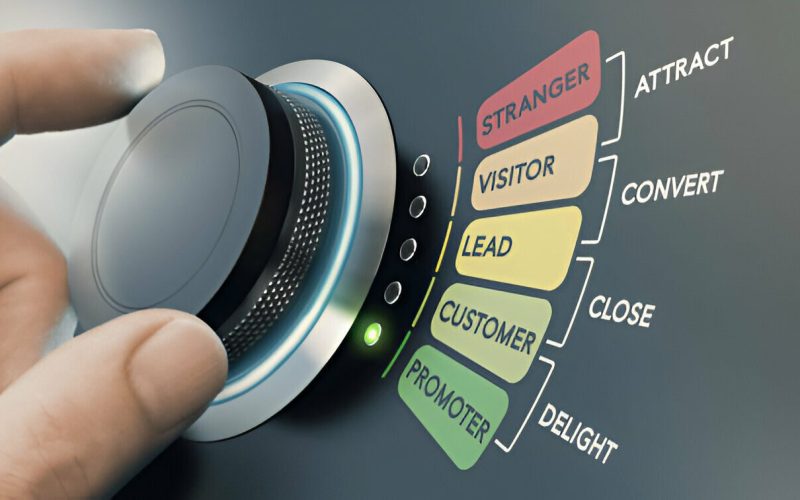
leads, prospects, and customers in marketing

What are leads in sales? Leads are potential customers who show interest in your company’s products or services. They are the first crucial step in the conversion process, representing real business opportunities.

Identifying and capturing quality leads is fundamental to drive your company’s growth. At Springboard35, business development consulting, we understand the importance of leads in sales and offer effective solutions to help you generate and manage them efficiently.

With our experience and customised strategies, we will help you convert leads into satisfied and loyal customers.

What are leads in sales

In the competitive world of sales, a lead is much more than just a piece of data stored in a company’s database. It represents the start of a valuable and strategic connection. When a user decides to share their data with us, they are opening the door to a relationship of trust and collaboration. This transaction goes beyond a simple handing over of information; it is the beginning of a subtle but powerful dialogue between both parties.

The user, by giving their data, not only allows the company to interact with them, but also indicates a genuine interest in what we offer. It is as if they are extending an invitation to learn more about our offerings, services or products. In return, the company is committed to approaching this relationship in a respectful and non-intrusive manner.

This process of lead capture is fundamental to modern sales and, in this step, having a sales representation (SDR) team can be crucial. It allows companies to reach users in a more personalised and effective way. Through various strategies, such as offering specialised content, registering for webinars or downloading informational materials, companies can attract the attention of users and convert them into leads.

Once a user becomes a lead, a process of continuous interaction begins. The company can communicate with them through a variety of tools, such as email, social media or personalised messages. This allows you to maintain regular contact and provide relevant information in a timely manner.

It is important to note that the definition of a lead can vary depending on the context. It depends on the specific moment in the user’s buying cycle, as well as their level of interest and engagement with the brand.This flexibility can create some ambiguity, but it also offers the opportunity to adapt our strategies to the needs and preferences of each user.

However, it is essential to remember that treating a user as a lead carries with it a great responsibility. It is necessary to obtain their explicit consent and respect their privacy at all times. With the implementation of regulations such as GDPR, it has become even more important to ensure that all lead acquisition and management practices comply with the highest ethical and legal standards.

what is lead generation

Types of leads that exist

Sales leads are the driving force behind lead generation and business growth. However, not all leads are the same. There are different types of leads, each with different characteristics and levels of interest. Understanding these differences is crucial to developing effective sales and marketing strategies.

Cold leads

These are users who show curiosity or a minimal interest in the company’s products or services. They may have interacted with the company’s website or social media in a superficial way, but are not yet ready to commit to a purchase.

Information Qualified Lead (IQL)

These leads have shown some interest or increased curiosity about the company, perhaps by downloading a free resource (ebook) or subscribing to a newsletter, an event or a webinar. Although they are not yet ready to make a purchase, they are more interested in your product or service, as well as more receptive to receiving additional information.

Cool leads or Marketing Qualified Lead (MQL)

These are leads that have shown a higher level of interest in the company’s products or services by asking or requesting information about them through a contact form, for example, and are willing to participate in sales conversations or discovery meetings.

Warm leads or Sales Qualified Leads (SQL)

These are leads that have demonstrated significant interest in the company’s products or services and meet certain qualification criteria, such as budget, authority, need and time (BANT). These leads are closer to becoming customers and require more personalised attention from the sales team.

Hot leads or Sales Accepted Leads (SAL)

These are leads that have expressed a strong interest in buying your product or service, are a good fit in terms of features, price, etc. and are ready to move on to future sales conversations and even request a formal proposal or quote. Their intent to buy is quite clear (although never absolute until they sign a contract) and they are at the final stage of the buying process or, in other words, at the bottom of the funnel.

Lost or inactive leads

These are leads that, for various reasons, have stopped interacting with the company (the famous ghosting) or have expressed their lack of interest in your product or service due to situations as adverse as they are varied (change of management of their company, rethinking of a certain strategy, etc.). Although they may represent a lost opportunity in the short term, they can still be the object of reactivation strategies in the future.

different type of leads

The importance of leads in a business

The importance of leads to a business lies in their ability to drive growth and profitability. Leads represent real business opportunities, as they are interested users who have expressed an interest in the company’s products or services.

By effectively capturing and managing quality leads, companies can nurture their sales funnel, increase their customer base and generate long-term sustainable revenue. In addition, well-qualified leads allow sales teams to focus their efforts on prospects with higher conversion potential, thereby optimising the sales process and improving operational efficiency.

In a competitive and constantly evolving market, a solid lead generation and management strategy is a key factor for business success.

For this reason, at Springboard35 we give paramount importance to the proper qualification of leads after thorough prospecting, and this unique and proven qualification methodology has allowed us to get to where we are: more than 20 years expanding more than 200 innovative technology companies in Southern Europe and Latin America.

If you would also like us to help your B2B technology company expand and grow its sales, contact us and we will discover together how to achieve your business goals.

Rate this post